
I had just taken a bite of my Banitza, a typical Bulgarian dish, when I was asked if I wanted coffee. With my mouth full of food, I shook my head up and down to indicate yes. But they walked away with the coffee.
I soon found out that shaking your head up and down means no. Shaking your head side to side means yes. The complete opposite of the most of the world. Later when we toured a large cave, we asked Svetla’s husband to go further inside and take photos. When he came back, we asked if he got the photos and he shook his head side to side. I thought “Now why did he not take the photos we asked for?” Oh, wait that meant yes not no.
Ten years ago, I volunteered to help immigrants learn English in Missouri. I had mostly Korean and Chinese students but one day I received a call to help a Bulgarian family.
Thus began a wonderful friendship with Svetla and Valentin and their daughter Gloryia. We met at a local coffee shop for the first two lesson, and on the third lesson Svetla insisted we meet at her house for lessons and coffee.
I was treated to coffee, Bulgarian food, Bulgarian traditions and hospitality. Our friendship endured and so, when they went back to Bulgaria I promised to visit.
They live in a small village about an hour outside of Sophia, the capital. Chickens, pigs, cows and sheep dot the area and town. Most impressive is that everyone has their own grape vineyard because everyone makes wine.
Not many Americans visit the town and so everyone wants to meet me and know how I like Bulgaria. We must have had either wine or coffee with at least 20 of Svetla’s friends and relatives.
Bulgaria is the oldest country in Europe- established in 658 AD and the only country to maintain its original name. It is a beautiful country boasting the Balkan mountains and ski slopes and just a few hours away the beaches of the Black Sea.
The country came under communist rule in 1945 and the powers that be insisted they send all of their Jewish population to the prison camps. The king was appalled when he found out what was happening in the camps and of the gas chambers. He contrived a plan to help save the Jewish Bulgarian population.
He knew better than to go against the communist leaders and so he made excuses for delays. “We have a problem with completing a road that will benefit both of us.” he wrote. “I need the Jewish population for labor for about 3 months”. “OK” they said. After three months, the communist party asked for them to be sent and the King said, “There was a problem with the construction and I will need them just 4 more months”. This went on for about a year and by then the Nazi party had too many other problems to worry about Bulgaria. Over 50 thousand Jews were saved with the king’s ruse and delays. Bulgaria finally gained independence from the communist in 1989.
On a walking tour of Sohpia, they pointed out a square in the middle of town that had a Mosque, a Catholic church, Bulgarian Orthodox church and Jewish synagogue all within a few blocks of each other forming a square. They pride themselves on the fact that they all live together in peace and harmony.
On my second day here the “patron” of the Bulgarian Orthodox church, akin to a pope, passed away and his passing dominated the news about his life. My curiosity was sparked and I delved into reading about the Orthodox Chuch. I myself, was fascinated to read about the “Great Schism” of 1054 between the east and west to get an idea of the history of Christianity and how my own Catholic faith originated.
I must admit the best part of Bulgaria was being with my friends. Svetla, Valentin,their daughters, Katia and Gloryia, and her grandson Nicki. I learned more about the Bulgarian culture, language and food than I ever would on a tour. Their hospitality was fantastic.
I had Bulgarian lessons every day and learned to say “Coffee please.” And a few other phrases. I have the Bulgarian word “Good” nailed down! I learned how to make Banizta, Tarator, and Moussaka.
Like most of my journeys the week went by fast. It was packed in with so many wonderful sites. I also realized what it must be like for my grandaughter just 20 months old to learn how to speak. When everyone around me is speaking Bulgarian it sounds like gibberish, perhaps that is what it is like for her. It makes me appreciate those who can speak more than one language. But now that I know a few phrases I will have to return and go to the Black Sea.
I wish everyone could become rich and famous so that they could realize it is not the answer for a happy life. Jim Carey
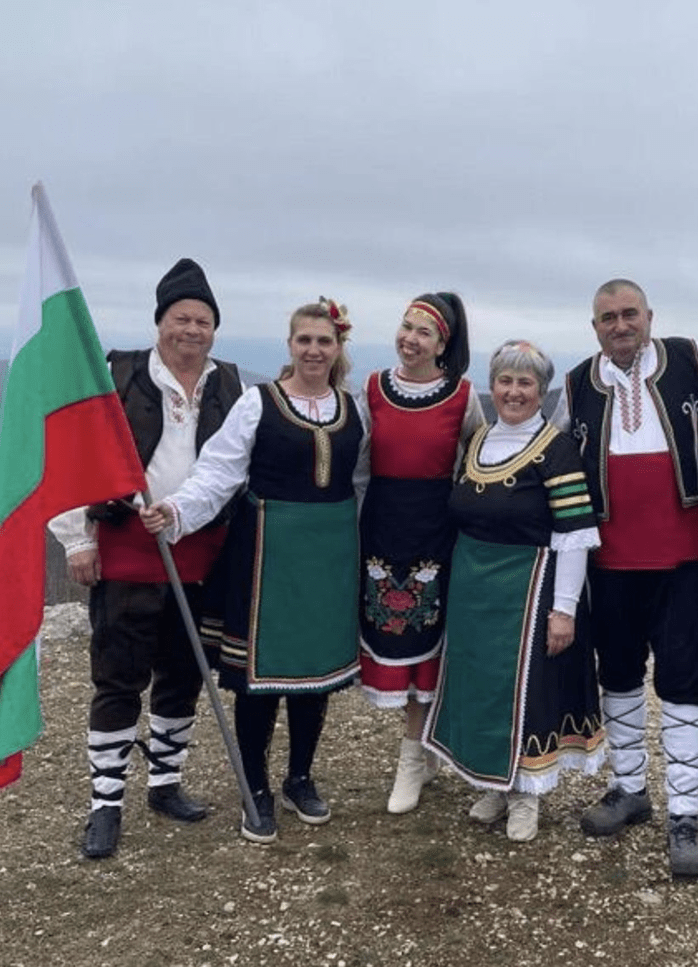
Svetlas Family on Bulgarian Independence Day
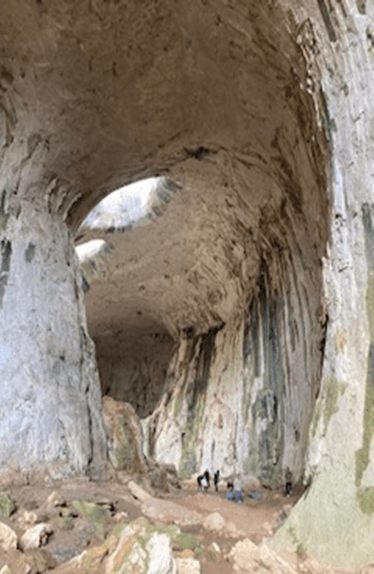
Some of Europes largest caves are in Bulgaria
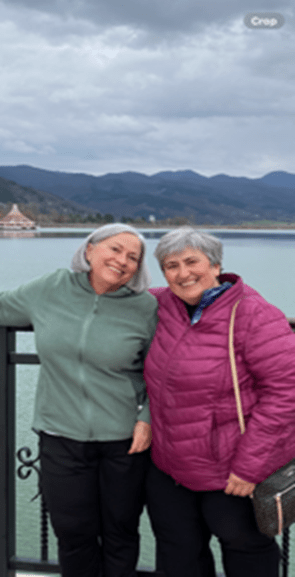
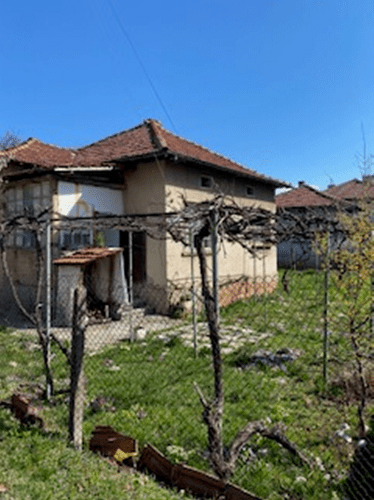
Svetlas Village- everyone has grape vines
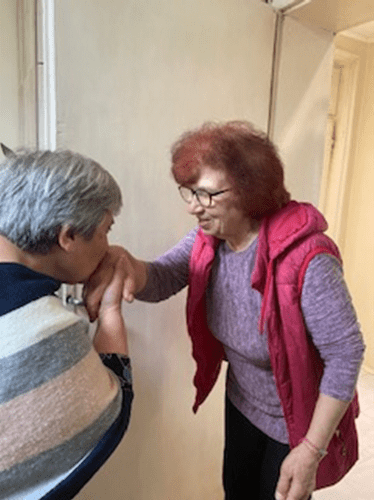
A yearly tradition I was invited to. The young take food to their parents and god parents to celebrate and thank them for everything they have done. Then they kiss their hand and ask for forgiveness for anything they have done to offend them. HINT HINT Anthony, Doug and Laura
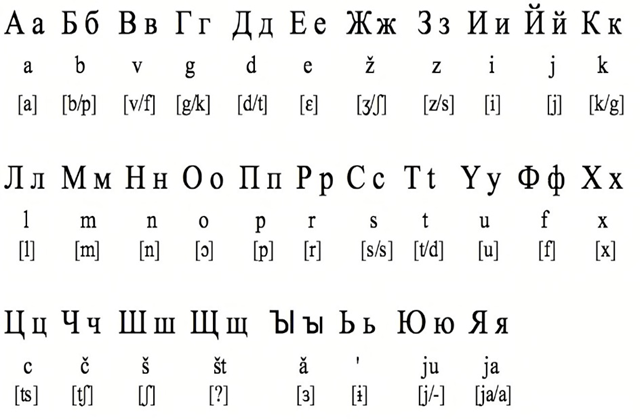
The Cyrillic alphabet originated in Bulgaria and is the
third used alphabet in Europe
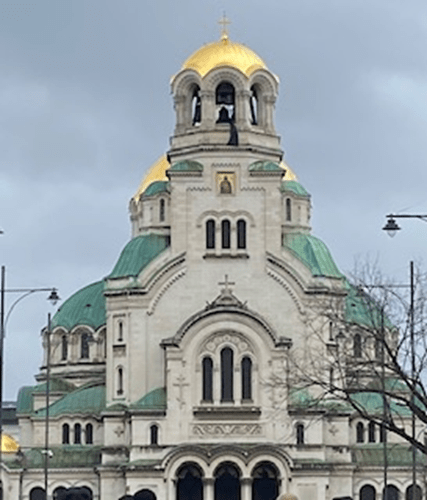
Bulgarian Orthodox Church
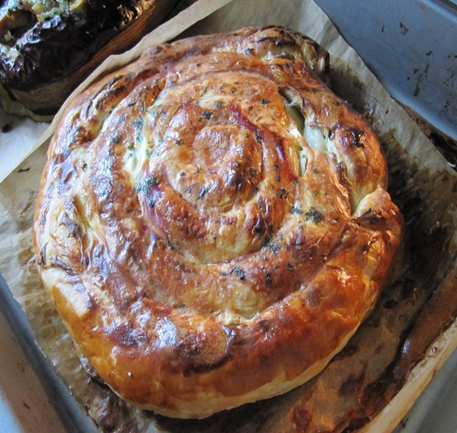
Banizka – my favorite
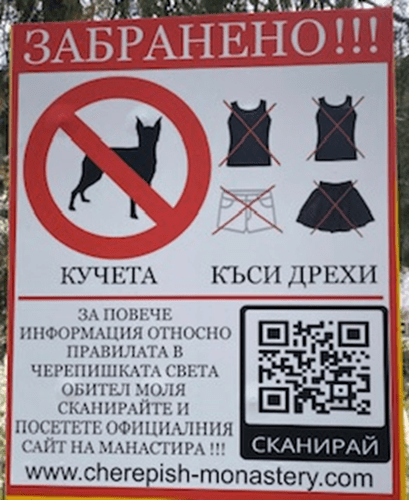
Sign at one of the many Monasteries we visited. I don’t read Bulgarian but I get the gist.
 My Timshel by Tamara Gonzalez Oberbeck
Oooooh now this is the way to travel, visiting with friends in far away places, how exciting! I can see how this beats a tour group. Once again enjoyed your blog now tell me, what is a banizka?
LikeLike
Judith, Always great to hear from you – I promise to come and make one for you! As to where I am now- who knows – I never have an agneda, but will blog soon.
LikeLike
What a great visit you had! The culture, language, food and friends living there had to make it so wonderful! So happy you got to go:)
LikeLike